


3 Warning Signs Your Ankle Instability Needs Professional Care
Constantly rolling your ankle? Discover the three warning signs that your ankle instability requires professional care from Leonard Greenwald, DPM, in San Jose, California.
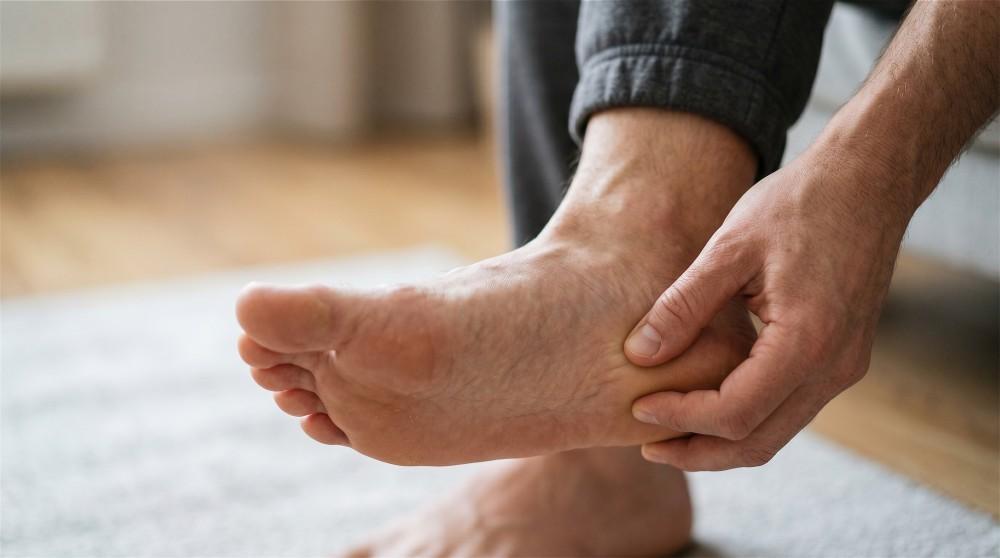
That sharp, stabbing pain in your heel during your first morning steps can ruin your day before it even starts. If you dread getting out of bed, you’re not alone.
At Leonard Greenwald, DPM, in San Jose, California, we help patients find lasting relief from chronic foot discomfort. Dr. Greenwald has over 40 years of experience diagnosing and treating heel pain and other podiatric conditions.
Morning heel pain is often caused by plantar fasciitis, a condition where the thick band of tissue supporting your arch becomes irritated and tightens overnight. When you take your first step, this tissue stretches suddenly, causing sharp pain. Fortunately, conservative treatments can help you recover and protect your mobility.
Stretching your foot before your feet touch the floor is one of the easiest ways to prevent morning pain. This simple habit prepares your arch for the sudden weight of your body.
While sitting in bed, cross your affected leg over your other knee. Gently pull your toes back toward your shin until you feel a stretch in your arch.
Hold this position for a few seconds and repeat. We teach patients how to perform these targeted stretches safely.
Walking barefoot or wearing flat, unsupportive shoes can worsen heel pain by straining your arch. Choosing supportive footwear with proper arch support helps distribute your weight evenly.
For the best results, we often recommend orthotics. These are custom-molded shoe inserts designed specifically for your unique foot structure. Dr. Greenwald provides custom orthotics to cushion your heel and reduce the daily strain on your plantar fascia.
Night splints help prevent your foot from pointing downward while you sleep. This keeps your plantar fascia gently stretched overnight, preventing it from contracting and tightening.
When you wake up, the tissue is already elongated, which significantly reduces that first-step morning pain. While some patients find night splints bulky at first, they’re highly effective when used consistently. We can guide you in choosing and wearing the right splint for your lifestyle.
Tight calf muscles pull on your heel bone, placing extra tension on your arch. Stretching your calves daily helps relieve this pulling force and eases your heel pain.
You can stretch your calves by leaning against a wall with one leg extended straight behind you. Keep your heel flat on the floor and hold the stretch.
If you have a history of sports injuries, our team can design a safe stretching routine to protect your muscles.
If your heel pain does not improve with home care, a professional evaluation is the next step. A podiatrist can rule out other conditions such as stress fractures or nerve issues.
Dr. Greenwald examines your foot, discusses your symptoms, and creates a personalized treatment plan. In rare cases where conservative care isn’t enough, we also offer advanced options, including foot and ankle surgery. We always prioritize the most conservative, non-invasive treatments first.
Don’t let morning heel pain keep you from enjoying your favorite activities. Our team is here to help you walk comfortably again. To find the right relief strategy for your discomfort, schedule a consultation with Dr. Greenwald today.


